
Fortus machine comparison
The smartest Fortus buying decision usually does not come from asking which machine is “best” in a vacuum. It comes from understanding which machines are basically the same platform story, where the real differences start, and what actually matters most: build size, parts ecosystem, price, condition, and support path.
In practical terms, the 360mc and 400mc live in the same older-family conversation, the 380mc and 450mc live in the same newer-family conversation, and the 900mc / F900 is the large-format extension of that Fortus DNA. Once you look at them that way, the lineup gets much easier to understand.
This page is built to make that comparison clear fast: what each machine really is, how it relates to the others, where the value is, and which one makes the most sense depending on how you plan to own it.
What each machine really is
These cards are the fast read. If you understand these five relationships, you understand most of the Fortus buying conversation.
Fortus 360mc
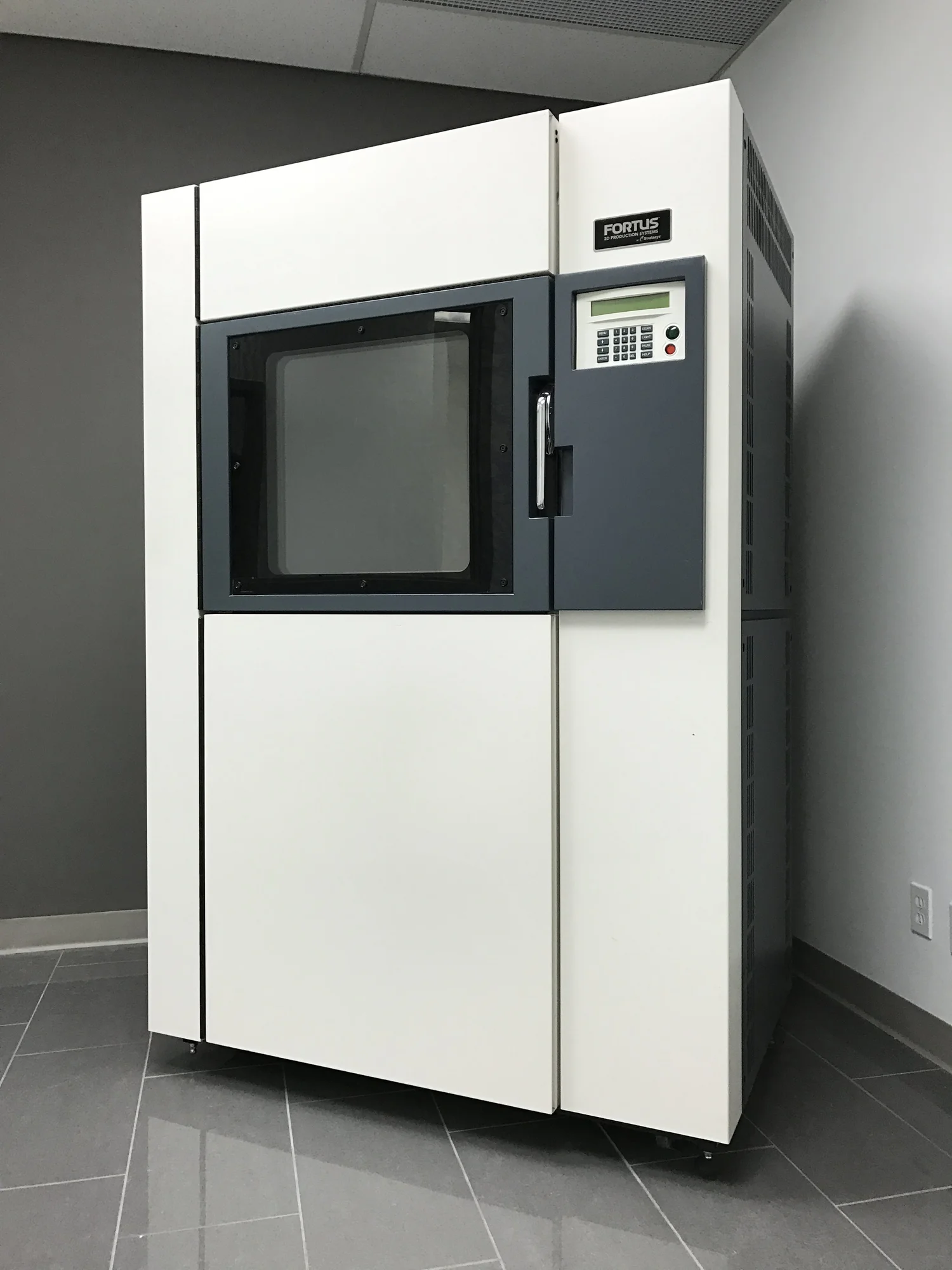
Really strong when you find a cleaner unit, lower hours, or simply better pricing than an equivalent 400mc.
View the 360mc page →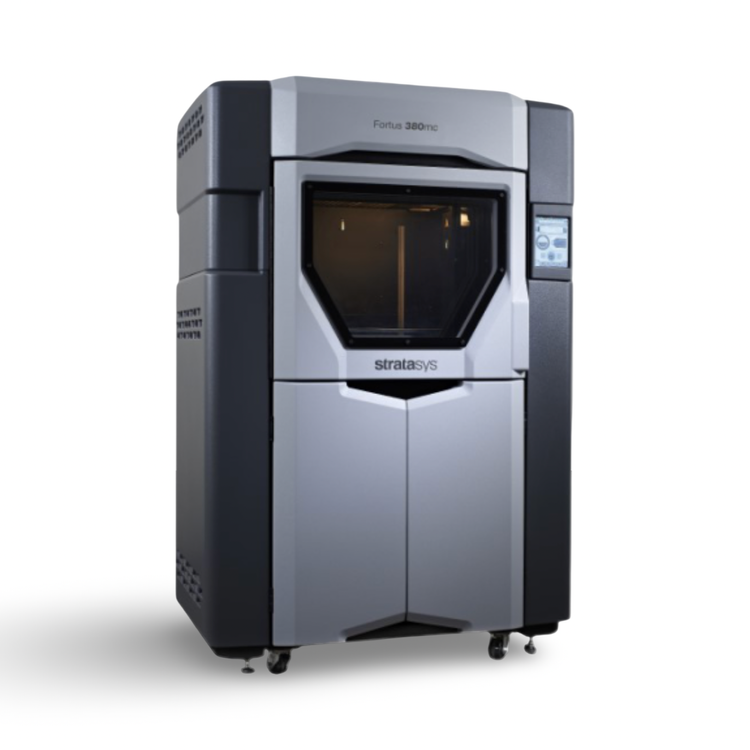
Fortus 380mc
Great buy when you want that newer-family machine path without paying full 450mc money.
View the 380mc page →
Fortus 400mc
Strongest when you value the established workhorse reputation and the mature independent repair ecosystem.
View the 400mc page →
Fortus 450mc
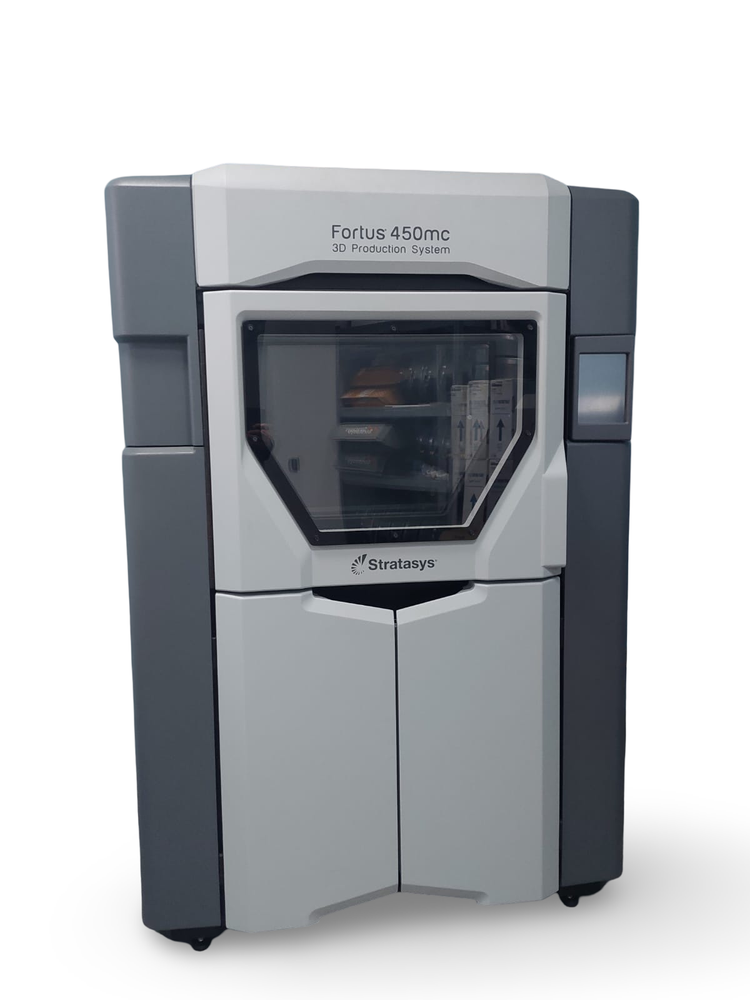
Strong if you want the newer interface and a machine that is still not EOL with Stratasys.
View the 450mc page →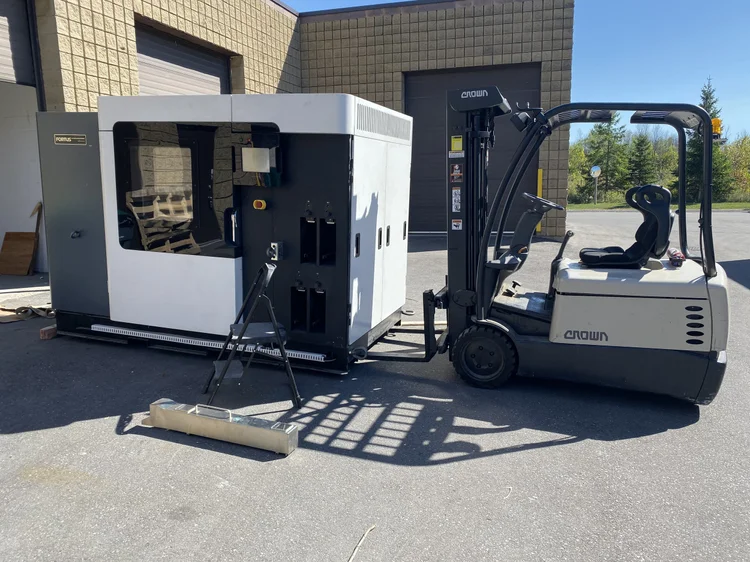
Fortus 900mc / F900
Best fit when scale is the deciding factor and you want full large-format Fortus capability.
View the 900mc / F900 page →The buying differences that actually matter
This is the fast answer to the real question: which one makes the most sense for the way you plan to own and use the machine?
| Machine | What it really is | Build size / platen story | Typical price target | Best fit | Main watch-out |
|---|---|---|---|---|---|
| Fortus 360mcOlder-family value play | Effectively the same machine story as a 400mc in different exterior skin. | Same older-family size-class conversation as the 400mc. | ~ US$15,000 | Buyers who find a cleaner or better-priced unit than an equivalent 400mc. | Do not overthink the badge. Condition and support path matter more. |
| Fortus 380mcNewer-family value play | Very close to the 450mc family story, but with a smaller platen. | Smaller than the 450mc, but still a serious newer-family Fortus machine. | ~ US$20,000 | Buyers wanting most of the 450mc story without paying full 450mc money. | Make sure the smaller platen is actually enough for the work. |
| Fortus 400mcClassic workhorse | The proven industrial Fortus platform with the strongest established independent support story. | Full 400-size-class machine and the baseline many buyers already understand. | ~ US$15,000 | Buyers prioritizing the classic workhorse platform and strong third-party repair ecosystem. | Older machine family, so condition and ownership history matter heavily. |
| Fortus 450mcNewer 400-size-class machine | Newer-generation machine in the same basic size-class conversation as the 400mc. | Same general role as a 400mc, but not the same parts ecosystem underneath. | ~ US$40,000 | Buyers wanting newer interface, newer-family hardware path, and less OEM-side risk. | More expensive, and the parts ecosystem is different from the 400mc world. |
| Fortus 900mc / F900Large-format Fortus | The big version of the Fortus story — same core Fortus DNA, much larger scale. | 36 x 24 x 36 in / 914 x 610 x 914 mm large-format build envelope. | ~ US$125,000 | Buyers who need large-format capability more than anything else. | Capital cost, machine condition, and hours matter a lot more at this size class. |
There are really two main families, then the large-format extension
- 360mc / 400mc: older-family Fortus buying conversation.
- 380mc / 450mc: newer-family Fortus buying conversation.
- 900mc / F900: the large-format Fortus path.
- Most buyers do better when they compare within those relationships first instead of looking at all five as completely separate machines.
The better machine is usually the better unit
- Better condition beats nicer badge.
- Lower hours can matter, but only with the right service story behind them.
- The seller’s support path matters more than most buyers think.
- The machine that fits the work and ownership model best is usually the right buy.
If you zoom out, this is where each one shines
Best value in the older-family Fortus story
360mc or 400mc. Between those two, it is often less about the badge and more about which individual machine is cleaner, better-priced, and better-supported.
Best value in the newer-family Fortus story
380mc. If the smaller platen works for the application, it can be one of the smartest newer-family Fortus buys on value.
Best large-format choice
900mc / F900. If machine size is the deciding factor, this is the one. The buying conversation then becomes condition, hours, and ownership path.
Go deeper by machine
Each page breaks the platform down further with the full machine-specific angle, photos, pricing position, and ownership path.
Fortus machine comparison questions
Is the 360mc basically the same buy as the 400mc?
In practical terms, yes. The smarter comparison is usually which individual machine has better condition, better pricing, and a better support story behind it.
Is the 380mc basically the same buy as the 450mc?
Very close, with the biggest real difference being the smaller platen on the 380mc. That can make the 380mc a really attractive value when build size is still enough.
Should buyers always choose the newer-looking machine?
Not necessarily. The better buy is often the better-supported machine in better condition, especially when pricing is materially different.
When does the 900mc / F900 become the obvious choice?
When large-format capability is the real requirement. Once that is true, the buying conversation becomes much more about condition, hours, and ownership path than model naming.
Compare the right machines for your actual workflow
The fastest way to make the right Fortus buying decision is to narrow the field based on build-size need, support path, condition, and price target — then compare the actual units available.